

As the school year comes to an end, a teacher’s world becomes filled with paperwork, classroom activities, and end-of-year events, often leaving teachers feeling like they are moving from one moment of chaos to the next. Teachers look forward to summer, viewing it as a time to leave those hectic moments behind and recharge. However, once the school year comes back around, the pace quickly picks up, making organization essential. Getting organized now makes all the difference when that busy season returns. So what better way to prepare than by tackling your end-of-year must-dos to make the beginning of next year feel like a breeze.
Make a Next Year Map
Reflect on what worked well this year and what areas need improvement. Use data to guide this process, then create a simple plan for next year that outlines units by month, key dates, and testing windows. If you already have a curriculum map, revise and refine it rather than starting from scratch. Planning ahead now can save hours in August and help you begin the year feeling prepared and confident.
Create Do Not Open Until Boxes/Folders
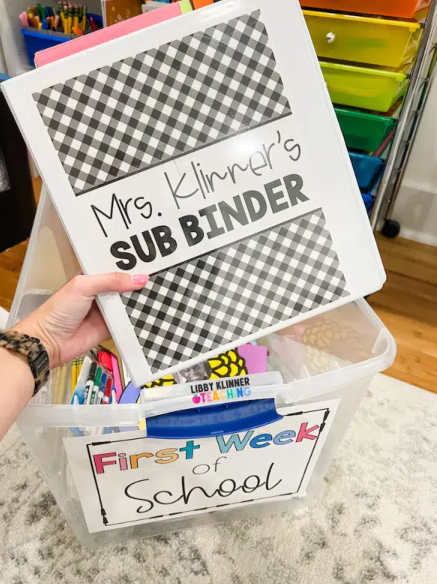
Create labeled boxes or folders for key moments like when you first arrive back to your classroom, first day of school, the first week of school, the first unit of the year, and emergency sub plans. With preparation, these boxes reduce stressful decision making and make your return feel more manageable. When you return in August, juggling meetings, emails, classroom set up, and last minute changes, these boxes give you a starting place. Below are some ideas for what to include in each:
- Open First: This box serves as your survival kit, including room setup essentials, basic supplies, tech items, and a setup checklist. Open this box first (and only this one) and then complete your setup before moving on. You can also create your own set up checklist to help guide your progress.
- First Day: This box should include everything needed to be successful on Day 1. Place inside student name tags, materials for a welcome activity, syllabus or introductory materials, and procedures. The goal is to make sure you have everything you need to confidently teach the first day.
- First Week: This box or folder helps you establish structure and routines during the first week of school. It can include community-building activities, lessons on classroom expectations, basic assessments such as diagnostics or surveys, and early finisher activities. Preparing these materials advance keeps your week organized and prevents last-minute scrambling. For added efficiency, consider creating this as a digital folder where all files and resources are easily accessible and ready to use.
- First Unit: This box or folder should have ready-to-teach content so you can begin instruction right away. Include lesson plans, copies or notes for accessing digital materials, manipulatives or supplies, and assessments. This prevents you from searching multiple places for the materials you need. If you teach multiple subjects, make boxes for each unit, or start with one.
- Emergency Sub Plans: This box can be overlooked but valuable as emergencies happen when we least expect! This should include emergency lesson plans, a class list template, procedures, and generic activities that can be used at any time.
Declutter Your Digital Space
Organizing your digital files is just as important as packing up your physical classroom. Start by cleaning up your Google Drive or computer files so everything is easy to find and use next year.
First, delete duplicate or outdated files to reduce clutter. Then, rename your files clearly using consistent titles so you can quickly identify what you need (for example, “Unit 2, Lesson 3: Author’s Purpose”). Next, create folders organized by unit or topic and place all related materials into those folders. This system makes lesson planning faster, reduces frustration, and helps you jump into instruction without wasting time searching for materials.
Standardize Copies
Look back at what you did over the year and select one finalized version of each worksheet to create a clean master copy. This helps maintain consistency, reduces confusion, and prevents unnecessary duplicates when preparing materials. It also ensures your resources are easy to access and ready to reuse next year.
Create a Routine Plan
This is a pre-written checklist for your first week of school that outlines what students will do and how routines will be taught. Some key areas that can be included are material use, transitions, and clear behavior expectations. Don’t forget to build in time for repetition and reinforcement so students can learn them easily. You can also update a list you already have rather than starting from scratch. This approach helps you establish structure, reduce confusion, and set a strong tone for a smooth and successful school year.
Taking the time to organize your physical and digital classroom sets you up for a successful start in the Fall. These strategies help reduce stress, save time, and allow you to enjoy your well-deserved break before returning ready to focus on what matters most, your students. A little preparation goes a long way in making those first weeks purposeful and building strong momentum for the school year.
About the Author

Caitlyn McGuigan is a Professional Learning Specialist at Teaching Channel. She holds a B.A. in Integrated Educational Studies, as well as an M.A. in Curriculum and Instruction. Caitlyn has a dual credential in Multiple Subject and Special Education. With her extensive knowledge and experience, Caitlyn develops content that is thoughtfully designed to be accessible, engaging, and inclusive for all students, ensuring that diverse learning needs, abilities, and backgrounds are effectively supported. She enjoys language arts, especially creative writing. Her enthusiasm for the written word drives her to explore new ideas, inspire creativity in others, and continually refine her craft.
Fun Fact: Caitlyn has a scar on her forehead like Harry Potter.

