

Renaturalised burial grounds, with their rich blend of memory and wildness, offer places where people can nurture love for the living things while honouring the presence―and absence―of the dead. Here, biophilia becomes more than an idea. It becomes a way of belonging to the unfolding continuum of life.
Urban landscapes are undergoing a subtle yet profound transformation as cities seek closer alignment between ecological vitality, cultural memory, and community well-being. Among the most compelling expressions of this shift is the movement to renaturalise and repurpose burial grounds. Long viewed as solemn spaces dedicated to remembrance and mourning, cemeteries are increasingly recognised as landscapes supporting biodiverse habitats, fostering biophilic awareness, and offering space for gentle recreation and community life.
Historically, graveyards and cemeteries were not the same. Graveyards were part of the churchyard ― small burial grounds owned by and located beside a church, used continuously over centuries. Cemeteries, by contrast, emerged later as large, landscaped burial grounds, separate from religious buildings and often located at the edges of expanding cities. Today, both forms are becoming recognised as multifunctional urban spaces with the potential to contribute to ecological health, preserve cultural narratives, and provide meaningful places for social interaction.
People care deeply for places with which they feel an intimate sense of belonging. Graveyards and historic cemeteries, with their quiet paths, mature vegetation, and layered histories, carry this emotional resonance. As ecological awareness grows among city dwellers, these landscapes are being reimagined from silent monuments honouring the dead to thriving environments that nurture the living, contributing to the evolving vitality of the city life.
Dormant green spaces in dense cities
Many cemeteries lie on generous plots of land surrounded by dense urban development. Once located at the edges of cities, they have been gradually absorbed into expanding neighbourhoods, becoming surprising and vital reservoirs of green space.
At a time when urban land is increasingly scarce and expensive, burial grounds constitute green spaces that offer rare bio-cultural-spatial regenerative potential. In many cities, the alternative ― creating new green space ― often requires converting brownfield sites, purchasing privately owned land, or negotiating development restrictions on green belts and peri-urban landscapes, all of which can incur considerable costs. These processes can be prohibitively costly. In cities like London and New York, urban land values now exceed £50 million per hectare in central zones, while even peripheral land designated for development can sell for 10–20 times the value of agricultural land once planning permission is granted.
Graveyards, on the other hand, are already embedded within the urban fabric. Their historical and religious significance has often protected them from redevelopment pressures, safeguarding mature trees, undisturbed soils, and biodiverse microhabitats. Many have gone largely untouched for decades, fostering ecological conditions rarely found in intensively maintained parks. In effect, they are dormant landscapes ― quietly waiting to be celebrated and better connected with the wider ecological network.
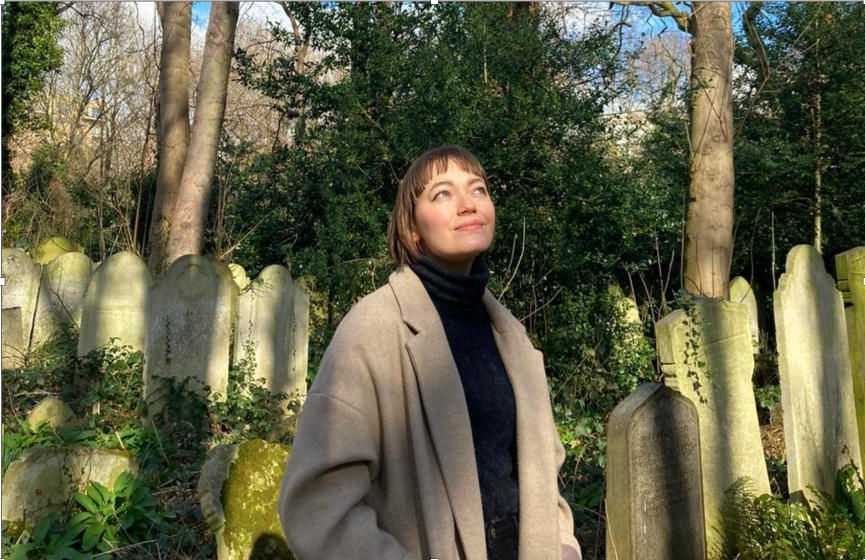
Tower Hamlets Cemetery Park in London illustrates this potential vividly. Once a Victorian cemetery on the city’s outskirts, it is now a 12-hectare Local Nature Reserve surrounded by dense housing, where decades of minimal intervention have allowed a biodiverse urban woodland to emerge. Its mature trees, quiet paths, and volunteer-led stewardship demonstrate how historic burial grounds, when protected from redevelopment, can evolve into vital ecological refuges embedded within the everyday life of the city.
Emerging biodiversity havens
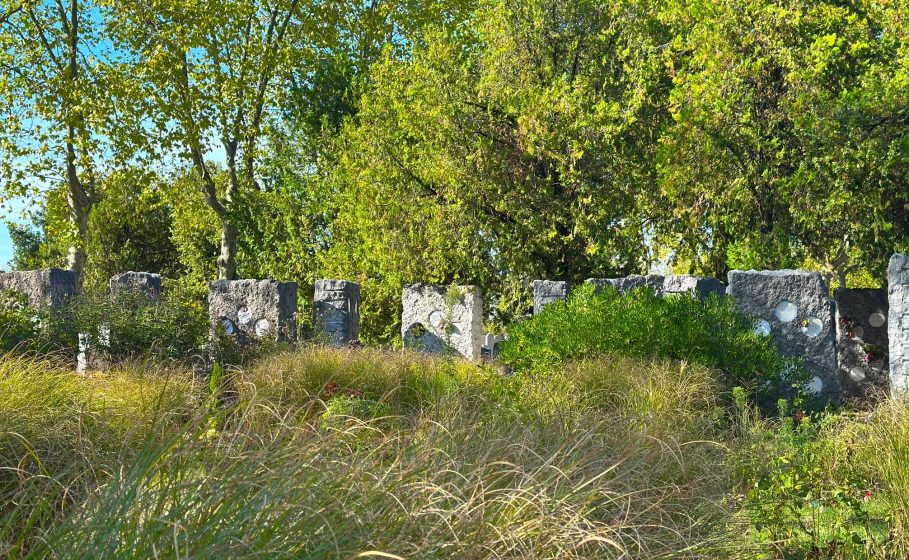
Because of their relative quietness and low levels of human intervention, many cemeteries already function as informal wildlife refuges. Veteran trees, wildflower edges, stone structures, and varied microclimates provide rich habitats for birds, insects, bats, lichens, fungi, and small mammals. In cities where wildlife often struggles to emerge, these largely unmanaged, laissez-faire landscapes offer rare ecological continuity across decades ― sometimes centuries.
Lyon, in France, has become a leading example of how municipalities can intentionally cultivate this potential. The city has launched an ambitious programme to renaturalise its burial grounds, including the Cimetière de Loyasse and both the 1822 and 1854 sections of the Cimetière de la Guillotière. Together, these sites are being woven into a network of ecological corridors that strengthen habitat connectivity across the city.
As part of this effort, paved pathways are being replaced with permeable surfaces, native species are being reintroduced, and a new landscape management approach ― une nouvelle gestion paysagère ― has been adopted, including a zero-pesticide policy. The result is a tranquil, garden-like sanctuary where natural growth and the expanding presence of wildlife offer visitors a space that feels both restorative and reflective.
Living classrooms: Cultural memory and community life
Renaturalised graveyards offer a rare blend of cultural depth and ecological complexity. They provide environments in which stories of the past intersect with the living systems of the present. For children and adults alike, these landscapes become powerful settings for learning ― places to observe flora and fauna, explore local history, and reflect on the lives and legacies that shaped the places they inhabit.
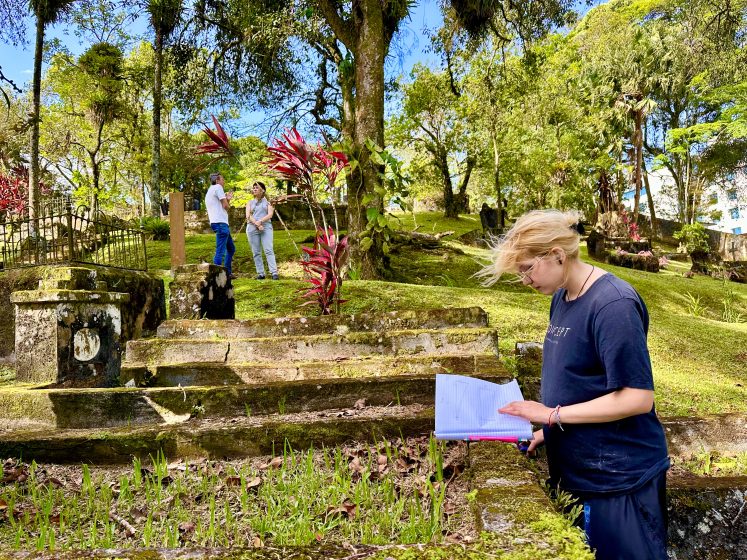
In Joinville, Brazil, the Immigrant Cemetery, established in 1851, has become both a cultural landmark and a pathway suggesting how historic burial grounds can evolve into meaningful public spaces. Preserved as one of the few nineteenth-century cemeteries of its kind, it holds the memory of more than 3,300 immigrants ― including Germans, Swiss, Luso-Brazilian descendants, and Afro-descendants ― whose traditions, beliefs, and craftsmanship shaped the early identity of the region.
Today, the site can be experienced as an open-air museum, where the landscape itself tells stories through solemn Protestant architectural features, handmade grave markers, and the “atmosphere of cultivated abandonment” highlighted by architect Lúcio Costa. Beyond being a historic resting place, for the past 25 years the German Cultural Society of Joinville has hosted music performances, art exhibitions, and guided interpretive walks that deepen public engagement with the city’s immigrant heritage. It also serves as a green public space where people meet, enjoy lunch, read, and even celebrate marriages, reinforcing its role as a living cultural environment held within a complex framework of death and renewal.
Spaces for play and reflection
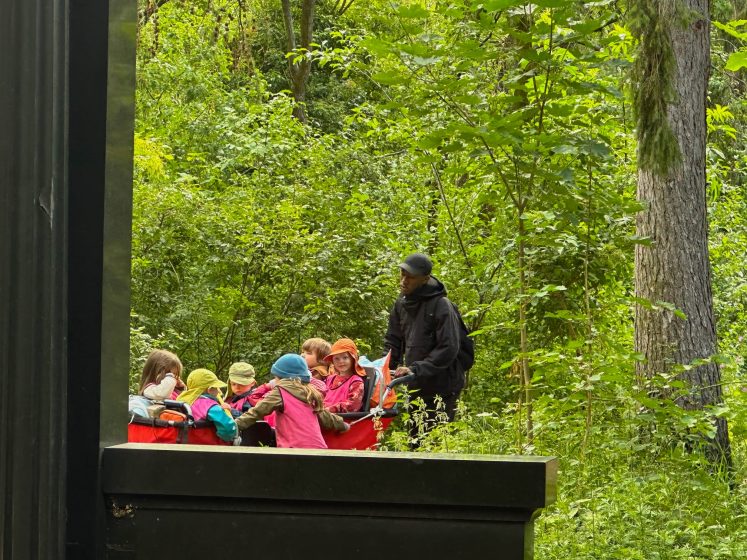
Some cities are discovering how graveyards can accommodate gentle recreation while maintaining dignity and respect. Berlin offers some of the most innovative examples. In a world where many children have limited access to natural environments, cemeteries offer an accessible alternative for adventurous play. Within their boundaries, young people can encounter wildlife, observe summer and autumn leaves fall, or simply experience the mysterious quietness these landscapes hold. Such encounters enable children to cultivate a sense of enchantment with the natural world ― helping them to grow into adults who see themselves as part of, rather than separate from, the natural systems that sustain their life.
Leise Park, created in 2011 through a residents’ initiative on the site of a former cemetery in the Prenzlauer Berg district, provides a unique space where children play and explore among preserved gravestones and ancient vegetation. Here, play and discovery unfold together, and boundaries between the sacred and secular soften. The uneven ground, mature vegetation, and atmospheric relics of the cemetery offer a rich sensory landscape for imaginative play ― surpassing the limits of standardised playgrounds.
Biophilia, belonging, and the co-evolution of urban life
In my research conducted through walking interviews with 274 women and culminating in the book What of Women Designed the City?, many participants emphasised the importance of biophilic design. Grounded in the realities of their everyday lives, these women revealed existing and potential opportunities to bring more life and vitality into the heart of their urban worlds.
Through these exchanges, they envisioned cities where pocket parks connect to burns and streams, allotments link to neighbourhood greens, and urban woodlands extend into regional landscapes, providing a continuous experience for residents of all ages ― from child to adulthood ― to nurture love for living things; and for other living beings to move through urban landscapes more freely.
Graveyards naturally belong within this biophilic network, as seen in Lyon, Berlin, Joinville, and London. Their quiet, shaded, and emotionally resonant environments make space for slow, reflective, and even adventurous encounters with the living world. Renaturalised burial grounds, with their rich blend of memory and wildness, offer places where people can nurture love for the living things while honouring the presence ― and absence ―of the dead.
In these landscapes, biophilia becomes more than an idea. It becomes a way of belonging to the unfolding continuum of life.
May East
Edinburgh

