

The most dangerous threats to coral reefs are the ones you can’t see. This World Oceans Month, we’re diving into these invisible threats and what we’re doing to address them.
Every year in June, we rally together around the world to celebrate our oceans. We talk about the ways our oceans give us life, how we live on a blue planet called “Earth” (oh, the irony), and all the nuances that keep our waters balanced and healthy.
But coral reefs around the world are facing growing threats from water pollution, overfishing, biodiversity loss, and climate change. These threats often happen out of sight, beneath the surface, making them easy to overlook until the damage becomes impossible to ignore.
This year, we’re still celebrating our oceans and all of their majesty, but more importantly, we’re fighting as we grieve the loss our oceans have endured over the past few decades. A lot of these tragedies are preventable and recoverable, and others aren’t. Stay with us as we walk through these threats and how we’re fighting to eliminate them as fast as possible.
Hint: You’ll notice a common thread here. When you work with local communities, you go further. They know their reefs, beaches, and waters, and we have resources to give. Togetherness is the common thread.
Our alliance is full of local communities who have partnered with us to achieve our collective vision: A world where coral reefs are healthy enough to withstand the pressures of climate change.
Water Pollution and Coral Reefs
Threat #1 – The Illusion of Clean Water
Our favorite coastal destinations include ocean views of turquoise waters. We post up on the beach, throw on snorkel gear, and dive into the water, hoping for high visibility and bountiful marine life—or maybe you prefer basking in the sun, no judgment here.
The reasons we love (and need) clean water are obvious, but how about for coral reefs? Clean water can mean the difference between survival and collapse.
Read More: Why Water Quality Matters to Coral Reefs
Even crystal clear water can carry pathogens and pollutants that stress coral reefs and disrupt entire marine ecosystems. Sediment runoff from development and agriculture can smother reefs, blocking the sunlight corals need to survive. Wastewater pollution can fuel harmful algae growth and introduce bacteria and excess nutrients into fragile reef ecosystems.
The good news is: We know this is an issue, and we have proven solutions to tackle these threats at the source (no band-aid fixes here).

Our alliance includes local organizations in Hawai‘i who invest in restoring native vegetation along waterways to reduce runoff and erosion, improving riparian zone health from ridge to reef. And in the Western Caribbean, implementing better wastewater management solutions. We’ve recently expanded our clean water efforts to the Eastern Caribbean, and our plans only grow from there.
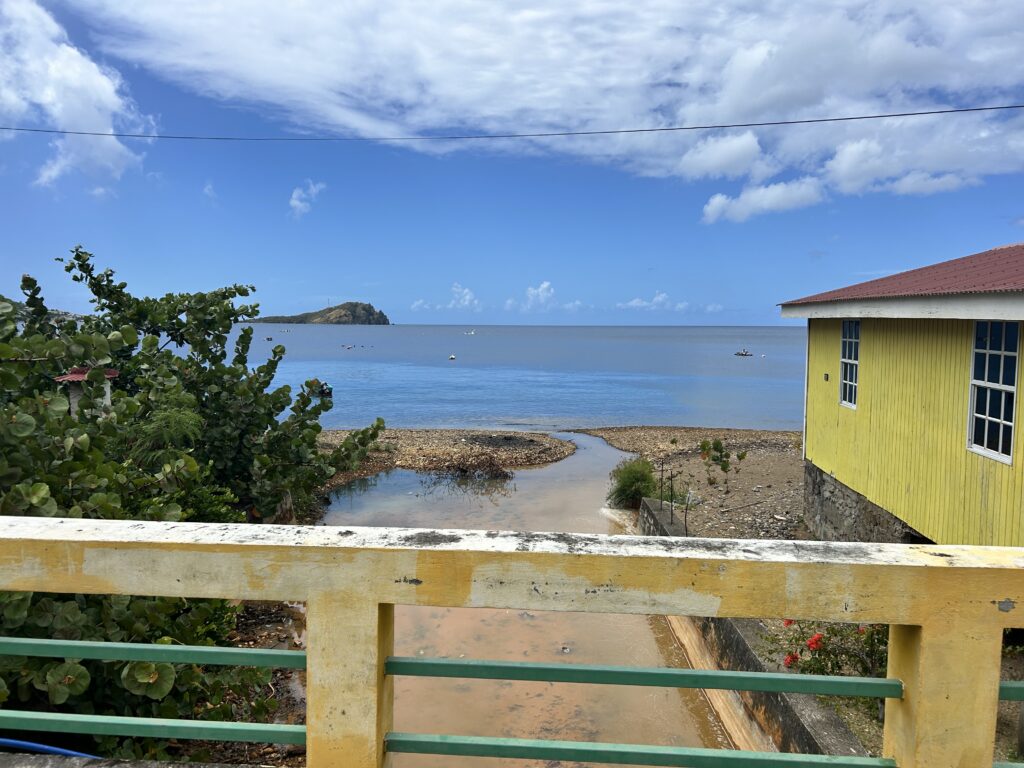
For coastal communities, clean water supports more than reefs. It protects local food sources, tourism economies, cultural traditions, and public health. Healthy reefs and healthy communities go hand in hand.
By 2030, we will significantly reduce harmful bacteria and nutrients in our priority regions, keeping over 400 million gallons of sewage out of the ocean each year.
Read more in our 2025-2030 Strategic Plan >
Overfishing and Biodiversity Loss on Coral Reefs
Threat #2 – Biodiversity, But A Lot Less of It
Coral reefs are home to some of the highest concentrations of marine biodiversity on Earth! Those who have gone scuba diving in the 90s and early 2000s have otherworldly stories about marine life in the Caribbean. Conchs as far as the eye can see, epic whale activity, and massive pods of dolphins. Today, many reefs are losing the species that keep ecosystems balanced and resilient.
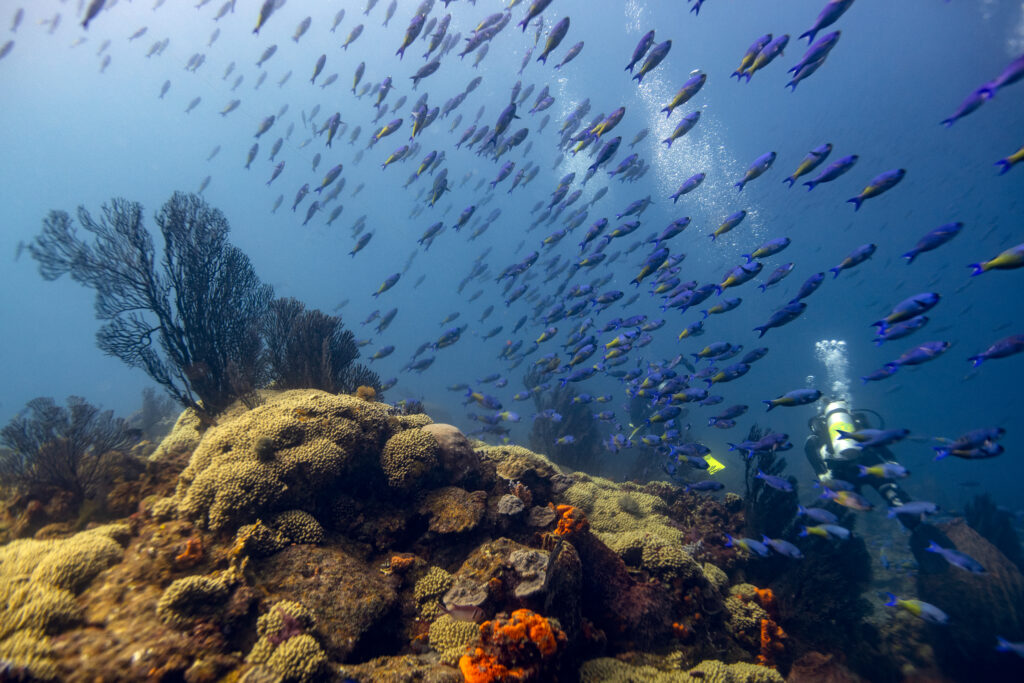
Overfishing, destructive fishing practices, ghost nets and abandoned fishing gear, bottom trawling, and industrial fishing operations can remove key reef species faster than ecosystems can recover. When fish populations decline, coral reefs lose important grazers that help control algae growth and maintain ecological balance.
Read More: How Fish Biomass Supports Coral Reefs
While a reef may seem to have abundant marine life, the truth is that biodiversity has been greatly depleted over time, all around the world… Except in marine protected areas (MPAs).
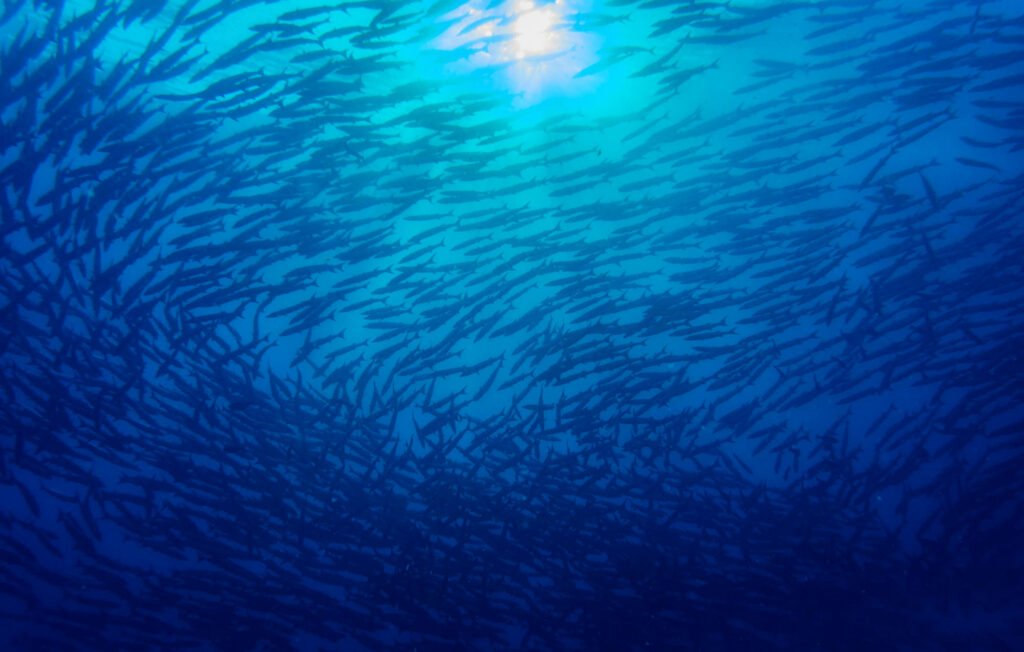
That’s why we work with partners and local communities to strengthen MPAs, improve sustainable fisheries management, and support policies (like fishing bans) that protect coral reef ecosystems for the long term. Our local partners strengthen community-led monitoring and patrolling efforts, improve enforcement, and protect the marine resources communities depend on every day.Our 2030 goal is to ensure 18.5 million acres (75,000km2) of protected areas are effectively managed, ensuring they deliver lasting benefits to reefs and the communities that depend on them.
Ocean Temperatures, Coral Bleaching, and Climate Change
Threat #3 – Invisible Heatwaves
Ocean heatwaves are becoming more frequent and more intense, pushing coral reefs beyond their physiological limits, increasing the occurrence of coral bleaching and coral mortality.
Read More: What Does El Niño Mean for Coral Reefs?
The good news?
Some corals are showing signs of natural adaptation, meaning they may have the genetic ability to better tolerate warmer waters caused by climate change. Scientists and local communities are working together to better understand these processes and identify reefs with the greatest potential for resilience.
Our conservation science work focuses on helping coral reefs adapt naturally by reducing local threats and protecting the reefs most likely to survive climate change. Learn all about our Roadmap to Reef Resilience in the video below.
Local communities and international partners are central to this work. Community members, fishers, and local organizations contribute knowledge, monitoring, and stewardship that help scientists better understand how reefs are changing in real time. When you support our work, you support local livelihoods.
By 2030, we’ll have the Roadmap to Reef Resilience implemented across 5 diverse, connected, and vast reef regions. And by 2050, we’ll integrate adaptation strategies into coral reef policies and management plans across 80% of reef regions globally!
The Cost of Inaction
Threat #4 – Doing Nothing
Humanity is going through a lot, we know. But that doesn’t mean we get to shut down. It means we get to double down on the things closest to our hearts.
Coral reefs are still fighting. Local communities are still showing up for their reefs every day. Scientists, advocates, fishers, students, and supporters around the world are all part of this movement.
And the truth is, we still have a window to act.
Protecting coral reefs requires collective action, long-term conservation, and support for the communities working to protect reefs every single day.
Not ready to give? You can also support us by subscribing to our monthly newsletter, the eCurrent, and engaging with our content here and on social media. Click here to subscribe >

