

Voters throughout the West continue to care deeply about the protection of clean water and public lands as well as the wildlife habitats they contain. The values protected by Wild and Scenic Rivers are the same values that Western voters consistently say they care about. Across roughly 15 years of polling in the West, including Colorado College’s Conservation in the West poll, the University of Montana’s biannual Public Lands Survey, and polling by the Center for Western Priorities, voters have consistently identified access to clean water and public lands, as well as wildlife protection, as top priorities.
The Wild and Scenic Rivers Act is designed to safeguard exactly those kinds of values and resources. Congress created the National Wild and Scenic Rivers System in 1968 to protect rivers that have outstanding natural, cultural, and recreational values for present and future generations. The act protects a river’s free-flowing character and water quality and preserves “outstandingly remarkable values” such as fish and wildlife, scenery, recreation, geology, history, and culture.
Clean Water, Public Lands, and Wildlife Remain Top Priorities Across the West
Colorado College’s 2026 Conservation in the West poll covering Nevada, Idaho, Montana, Wyoming, Utah, New Mexico, Colorado, and Arizona provides the broad regional picture—85% of voters said issues involving public lands, waters, and wildlife are important in deciding whether to support an elected public official. That support resonated on both sides of the aisle, with nearly 8 in 10 Republicans and more than 9 in 10 Democrats saying those issues matter greatly to them. Those numbers do not mean every voter agrees on every designation in every place. What it does demonstrate is that the underlying values of Wild and Scenic Rivers still matter to voters across the region, including Republicans and Independents. When people hear “Wild and Scenic,” the phrase may sound like a label. In practice, it refers to protecting exactly the kinds of river values voters already say they want to keep. These shared priorities help explain why, when voters are asked about specific rivers, support carries through to long-term protections and, in some places, to Wild and Scenic River designation.
In Eastern Idaho, Priorities Translate to Local Rivers
A May 2025 poll in eastern Idaho shows this connection clearly. The survey polled registered voters in six eastern Idaho counties, with roughly two-thirds of respondents identifying as Republican.
These voters, who live at the headwaters of the Snake River system, were asked what they found most convincing about protecting local rivers. Fish and wildlife habitat emerged as the top reason, followed by economic benefits and clean drinking water. The results show that many voters view river protection through concrete benefits like wildlife habitat, clean water, and community well-being.
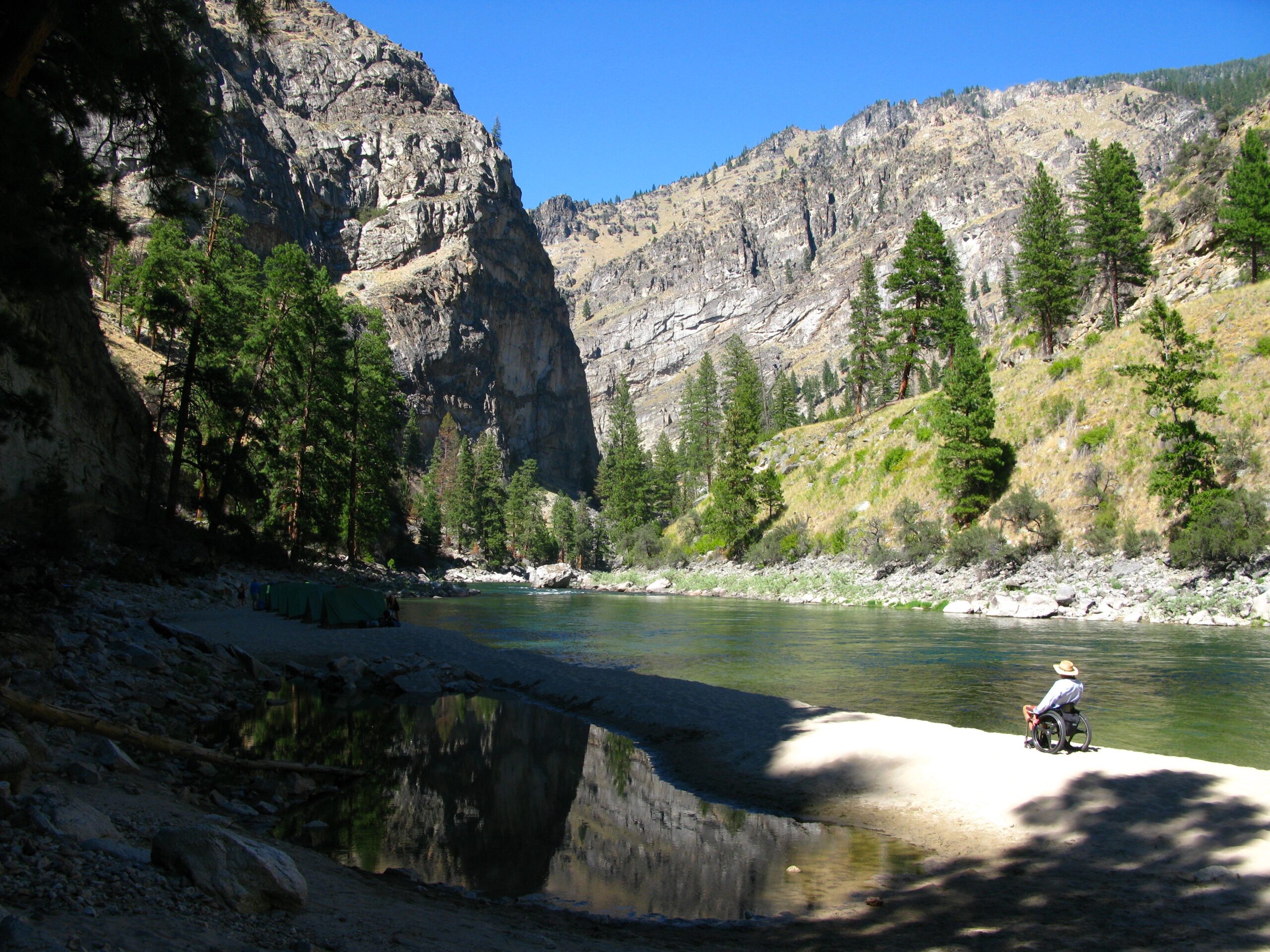
The same poll found that voters identified water pollution and increasing development pressure along riverbanks as the two biggest threats to eastern Idaho’s rivers. These concerns reflect the kinds of threats that long-term river protections are designed to address.
Support Carries Through to Wild and Scenic Designation
This pattern is not limited to just general attitudes about rivers in specific places. When voters are asked about specific designations, support remains strong.
The University of Montana’s Public Lands Survey in 2020, 2024, and 2026 found strong voter backing for designating the Gallatin, Madison, and other rivers near Bozeman, Montana, as part of the Wild and Scenic Rivers System. Similarly, polling in New Mexico shows broad agreement with protecting the Gila River watershed. A 2020 statewide poll found that more than three-quarters of voters support designating portions of the Gila and San Francisco Rivers as Wild and Scenic Rivers, including clear majorities in counties surrounding the rivers themselves.
Let’s stay in touch!
We’re hard at work in the Southwest for rivers and clean water. Sign up to get the most important news affecting your water and rivers delivered right to your inbox.
Together, these findings reinforce a consistent trend across the West that when voters are asked about real rivers and real places, support for Wild and Scenic River designation remains strong.
As Congress considers bills like the Greater Yellowstone Recreation Enhancement and Tourism Act and the M.H. Dutch Salmon Greater Gila Wild and Scenic River Act, these polls offer a clear message. For more than a decade, Western voters have consistently expressed their support for clean water, wildlife, and protected rivers. The opportunity now is for their public lands champions in Congress to act on those priorities and move these bills across the finish line this session.
The Through Line
Polling does not replace local knowledge and river management plans or the careful work that goes into any proposed designation. But it helps answer a broad, important question: Do the values behind Wild and Scenic Rivers connect with Western voters? The evidence here suggests yes.
Across the West, voters continue to say that public lands, clean water, and wildlife matter to urban and rural ways of life. In New Mexico and Montana, those same values translated into strong support for protecting rivers through Wild and Scenic River designation, demonstrating how broad priorities for clean water and wildlife carry through to specific rivers and real policy decisions. Wild and Scenic Rivers protect the qualities that make rivers matter, and many voters across party lines favor protecting those qualities.

